Building multiplayer from scratch
A co-op lobby, a competitive shooter or a persistent world. We define the topology, authority model and bandwidth budget before writing netcode, the code that keeps players in sync.
See the process


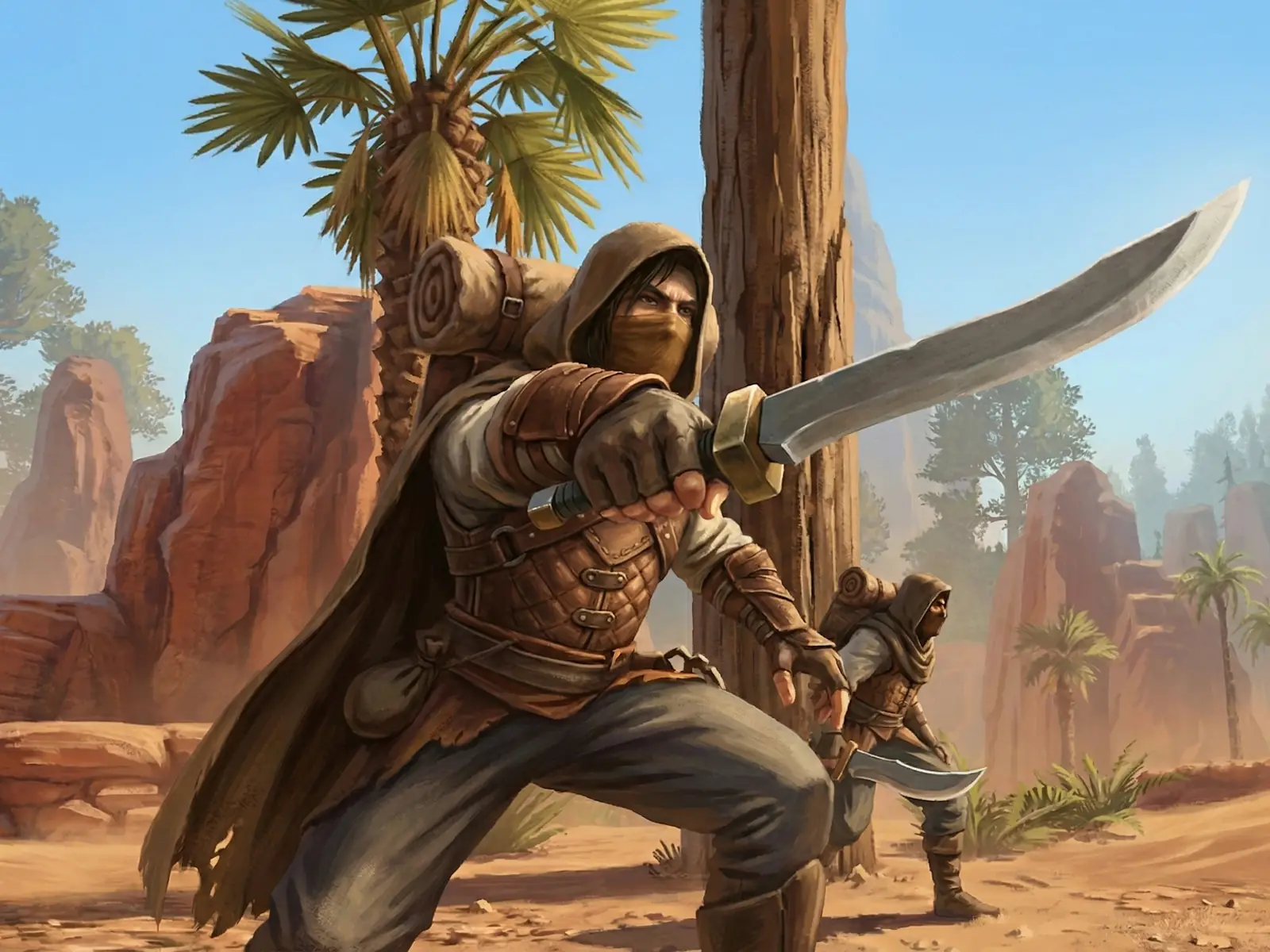

Developed by Ocean View Games as the client's core technical partner.
Domi is a massively multiplayer online (MMO) game designed around a persistent player economy and a large multiplayer world. Gameplay is server-authoritative, so the server decides every outcome and players cannot fake results. It runs on FishNet, a networking library for Unity. Networking was led by Brinca, the project's network engineer.
All four closed alpha stress tests, invitation-only tests with up to 500 players, ran on a single Amazon Web Services (AWS) EC2 cloud server, keeping operating costs practical for an independent studio, which is the balance most multiplayer projects actually have to strike.
An unfinished brief is fine. The first conversation helps establish scope.
Multiplayer architecture is genre-dependent. Tell us the game, the expected player scale and the problem you need solved.
A co-op lobby, a competitive shooter or a persistent world. We define the topology, authority model and bandwidth budget before writing netcode, the code that keeps players in sync.
See the processYour multiplayer works at small scale but server bills, desync (players seeing different game states) or launch-day spikes are a risk. We profile the netcode and infrastructure and re-architect where needed.
Explore performance workMatchmaking, player profiles, leaderboards and auto-scaling server fleets on AWS, Google Cloud or Azure, with PlayFab, Microsoft's managed game backend, where it fits.
Explore PlayFabAgree the player experience, authority model and expected load early. These decisions guide implementation, infrastructure and testing.
Before any netcode, we choose the topology, define what the server validates versus what the client predicts, and calculate packet sizes and tick rates (how often the server updates) against your latency and platform requirements.
State synchronisation on reliable and unreliable channels, client-side prediction with server reconciliation, lag compensation, plus matchmaking, database architecture and auto-scaling server fleets.
Load testing against agreed player scenarios, deployment in the regions your audience needs, and monitoring and release procedures for ongoing support.
High-concurrency engineering delivered by Ocean View Games and its team.
The Challenge: Build a server-authoritative Unity MMO around uncapped progression and a persistent economy on an independent budget.
The Result: Server-authoritative FishNet gameplay and closed alpha stress tests with up to 500 players on a single AWS EC2 server.
The Challenge: Contribute to a live MMO role-playing game (MMORPG) with almost two decades of content while it was adapted for mobile.
The Result: David worked on live RuneScape updates, then built the mobile heads-up display (HUD) and converted more than 40 legacy interfaces on the mobile team at Jagex.


The decisions that make or break a multiplayer game, agreed against your genre and player scale before implementation.
Server-authoritative logic so the client cannot dictate outcomes, protecting competitive integrity and the in-game economy.
Client-side prediction, reconciliation and lag compensation so the game feels responsive without giving up server authority.
Packet sizes and tick rates tuned so the game runs on mobile data, not just a wired connection.
Server fleets that scale up for peak hours and down overnight, so you are not paying for idle compute.
Skill or region-based matchmaking, and low-latency reads with atomic writes for profiles, inventories and leaderboards.
Load testing to find bottlenecks before players do, and regional deployment to keep global latency down.
Start with a free conversation about the game, the expected player scale and the networking or architecture problems you need to solve.
For a new build, an architecture and protocol design phase settles the topology and authority model before implementation. For an existing game, a profiling pass on the netcode and infrastructure comes first.
David and Adam stay close to the engineering, with MMORPG experience from Domi Online and RuneScape behind the multiplayer work.
Production runs in agreed milestones, with load testing and regional deployment before launch and monitoring in place from the first live build.
Meet the teamWhere multiplayer work connects to the rest of what we do.
The networking library behind our server-authoritative architecture.
Matchmaking, player profiles and analytics as a managed backend service.
Profiling and tuning when multiplayer performance or server cost is the problem.
Keeping a live multiplayer game stable and updated after launch.
Tell us about the game, expected player scale and the networking or architecture problems you need to solve.
Describe your multiplayer gameTell us about your game, expected player numbers and current networking setup. We'll discuss authority, hosting, testing and the problems you need to solve.
Location
London, United Kingdom
Response Time
We typically respond within 1 to 2 business days.