Games

2D Game Development
Polished 2D games in Unity. Platformers, puzzle games, educational titles, card games, and hyper-casual apps built by senior engineers with 20+ years of combined experience.
Professional 2D Game Development in Unity
2D Game Types We Build
Platformers and Action Games
Side-scrolling, physics-driven, responsive controls. Tile-based levels, procedural generation, or hand-crafted design. We handle the tight game feel that makes platformers satisfying.
Puzzle and Casual Games
Match-3, word games, logic puzzles, idle and clicker mechanics. Designed for session-based mobile play with clean onboarding and retention loops.
Educational Games and Apps
Interactive learning experiences for schools, universities, museums, and publishers. Our team has built educational 2D games for Cambridge University Press, the Museum of London, and the EU Horizon 2020 programme (while at Fish in a Bottle).
Card and Board Games
Digital adaptations of physical games, or original card battlers and strategy titles. UI-heavy, state-driven, and often with multiplayer support.
Narrative and Visual Novels
Story-driven experiences with branching dialogue, character art, and choice-based progression. Custom dialogue systems and save state management.
Hyper-Casual and Ad-Funded
Quick-to-market titles with simple mechanics, ad integration, and analytics. We have shipped hyper-casual titles and built a reusable framework for rapid prototyping.
2D Technical Specialisms
Rendering and Performance
Animation and Visual Polish
Systems and Content
Our 2D Portfolio
Our Clients
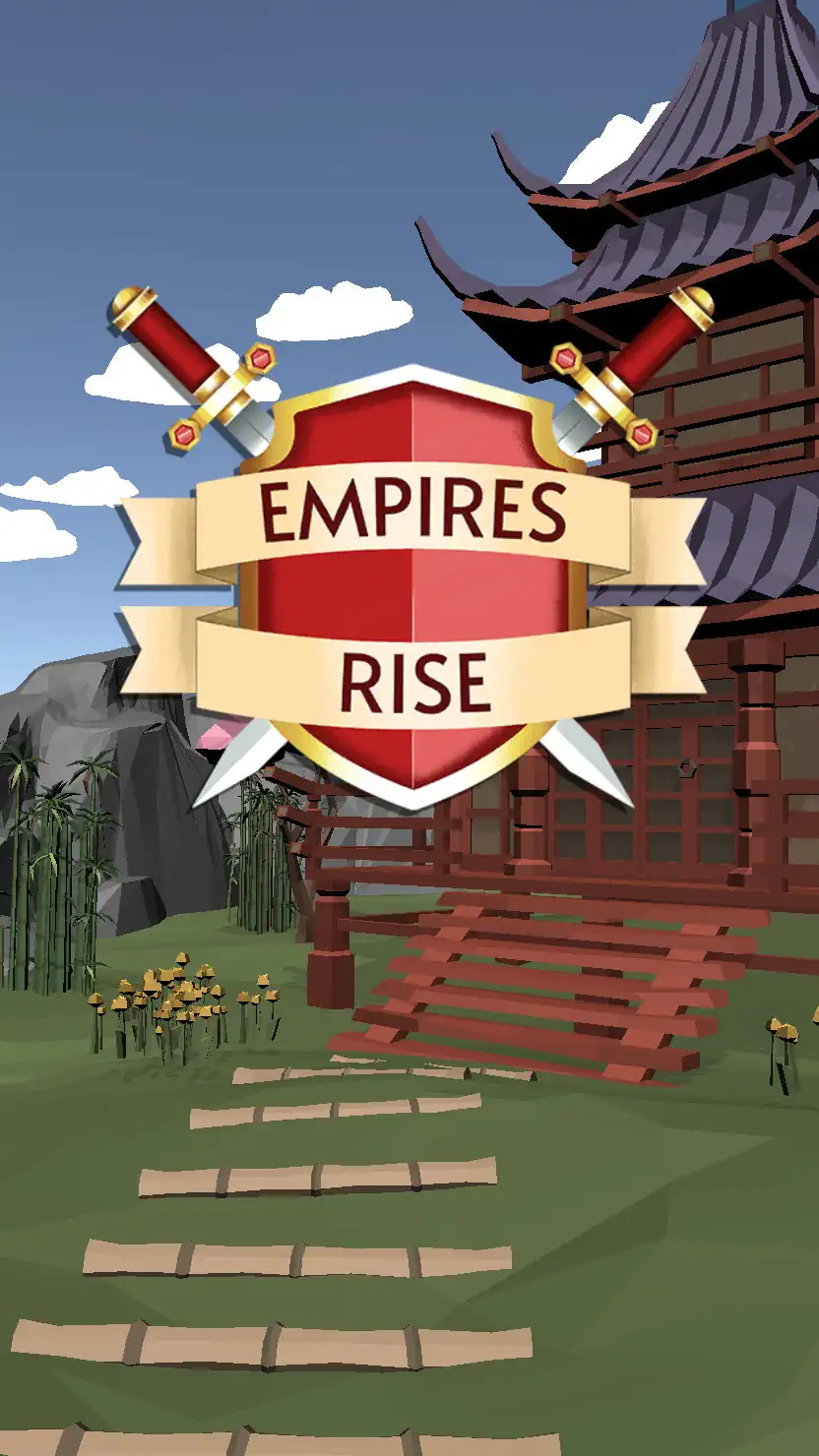
Ocean View Games — Empires Rise
2D/2.5D 4X strategy game with procedural map generation, AI opponents, and mobile-optimised rendering. Complex systems-driven gameplay in a 2D presentation.
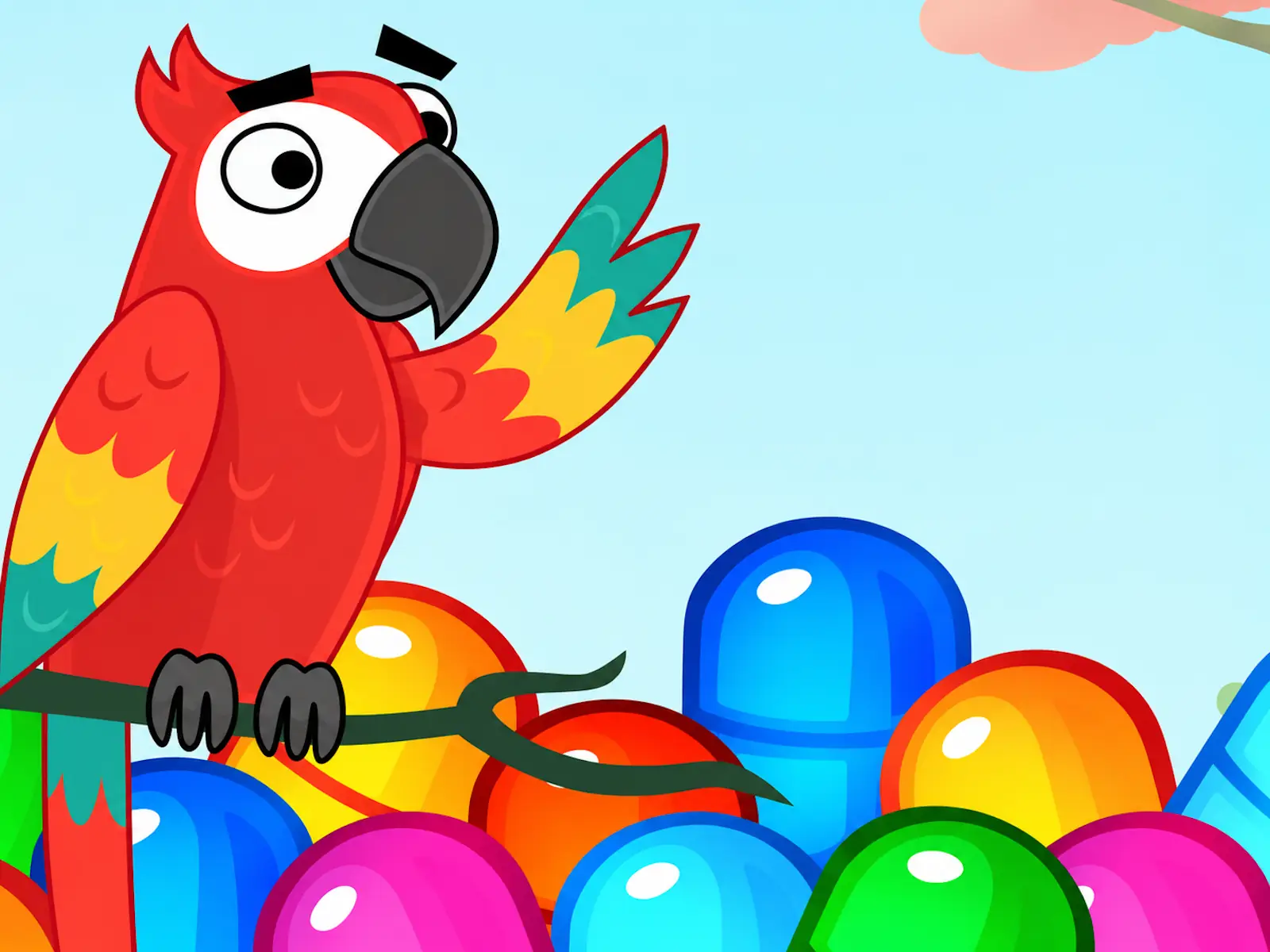
Ocean View Games — What's That
Hyper-casual 2D game designed for rapid development and ad monetisation. Built using our reusable framework for quick-to-market titles.
The Language Conservancy — Vocab Builder
2D educational game with nine mini-games for indigenous language preservation. Gamified learning loops, progress tracking, and offline deployment.
Our Team's Track Record
2D projects delivered by our team during previous roles at Fish in a Bottle.
Museum of London — The Great Fire of London
2D educational game reverse-engineered from Flash with no source code and rebuilt in HTML5. Narrative-driven, historically accurate, accessible design.
Cambridge University Press — Word Fun World
2D educational English-learning game for young children. Mobile-first, curriculum-aligned, multi-language support.
EU Horizon 2020 — Navigo
2D tablet game with 15 unique mini-games across four languages for the iRead research consortium. Serious Games Society award winner.
Why Choose Us?
Unity's 2D Toolset Is Production-Ready
Many clients assume Unity is only for 3D. In reality, Unity's 2D tools (Tilemap, 2D Physics, Sprite Atlas, 2D Animation, URP 2D Renderer) are mature and used in thousands of shipped titles. Same engine, same codebase, same deployment to iOS, Android, PC, WebGL, and console.
2D and 3D Can Coexist
Unity makes it straightforward to mix 2D gameplay with 3D elements. 2.5D perspectives, 3D environments with 2D characters, or parallax scrolling with depth are all possible within a single project without switching engines.
No Custom Engine Needed
Building a custom engine or using a lightweight framework might seem cheaper, but it rarely is once you factor in cross-platform deployment, localisation, analytics, and ongoing maintenance. Unity handles all of that out of the box, and our team specialises entirely in it.
2D Technical Capabilities
The tools we use for 2D game development:
2D vs 3D: Which Is Right for Your Project?
2D Is Typically Faster and Cheaper
Less art production, simpler asset pipelines, and fewer rendering complexities. If your game concept works in 2D, the savings in time and budget can be significant.
2D Suits Mobile and Educational
For educational content, casual mobile games, and UI-heavy experiences, 2D is often the natural fit. Lower performance requirements mean broader device support.
3D for Immersive Environments
First-person experiences, spatial exploration, and titles where depth perception matters are better served by 3D. We can advise on which approach fits your concept.
2.5D: The Middle Ground
3D environments with 2D gameplay, or 2D art with parallax depth. Sometimes the sweet spot. If you are unsure, we can prototype both approaches and help you decide.
Our 2D Development Process
Every 2D project follows a structured process that gets to a playable build quickly, validates the core loop early, and avoids surprises in the final stretch.
1. Concept and Scoping
We define the core loop, target platform, and art style. For budget-conscious projects, we advise on art direction that looks polished without requiring a large art team.
- Core Loop Definition: Identify the primary gameplay mechanic and session structure.
- Platform Strategy: Decide on iOS, Android, WebGL, PC, or multi-platform from day one.
- Art Direction: Establish a visual style that fits your budget and audience.
2. Prototyping
A playable prototype of the core mechanics within two to four weeks. We validate the game feel and core loop before committing to full production.
- Greybox Build: Playable prototype with placeholder art to test mechanics.
- Game Feel Iteration: Tuning controls, timing, and feedback until the core loop feels right.
- Stakeholder Review: Hands-on evaluation before full art and content production begins.
3. Production
Full development including gameplay systems, UI, audio integration, analytics, and monetisation. Weekly builds and clear reporting throughout.
- Gameplay Systems: Level design, progression, enemies, items, and economy.
- UI and Audio: Menus, HUD, sound effects, music integration, and localisation.
- Analytics and Monetisation: Event tracking, ad placements, IAP, and A/B testing hooks.
4. Polish and Launch
Device testing across screen sizes and performance tiers. Sprite atlas optimisation, draw call reduction, and memory management for smooth mobile performance.
- Performance Optimisation: Sprite atlas packing, batching, and memory profiling for target devices.
- Device Testing: Testing across screen sizes, aspect ratios, and OS versions.
- Store Submission: App Store and Google Play submission, store listing, and 30-day post-launch warranty.
2D Game Case Studies
Empires Rise: Procedural 4X Strategy on Mobile
How we built a 2D/2.5D 4X strategy game with procedural map generation, AI systems, and mobile-optimised rendering in Unity.
Vocab Builder: Gamifying Language Preservation
A 2D educational game with nine mini-games built for The Language Conservancy to help indigenous communities preserve endangered languages.
The Great Fire of London: Flash to HTML5
Delivered during our team's time at Fish in a Bottle
Reverse-engineering and rebuilding a 2D educational game from a published Flash file with no source code, preserving the complete learning experience in modern HTML5.
2D Game Development Costs
2D budgets vary with scope, art complexity, and platform targets. Here are typical ranges based on our project history:
Simple Casual / Hyper-Casual
£8,000–£25,000
Simple mechanics, minimal UI, single-platform. Suited for ad-funded or quick-to-market titles.
Mid-Complexity
£25,000–£80,000
Custom mechanics, polished art, multi-platform deployment, analytics, and monetisation integration.
Complex / Content-Heavy
£100,000+
Multiplayer, deep progression systems, large content volumes, or institutional requirements like LMS integration and accessibility compliance.
Have a 2D game concept? Tell us about it and we will scope it out.
Book a Technical ConsultationUnity Mobile Strategy Development
AI & Procedural Generation
How we built Empires Rise, a 2D/2.5D mobile strategy game in Unity. Covers procedural generation, AI systems, mobile optimisation, and cross-platform deployment.
Read the Case StudyGamifying Indigenous Language Preservation
The Vocab Builder Project
We turn curriculum into engagement. Discover how Ocean View Games partnered with The Language Conservancy to gamify indigenous language preservation.
Read the Case StudyFlash to HTML5 Modernisation: Great Fire of London Case Study
How the Fire of London educational game was rebuilt from Flash to HTML5 with no source code. Reverse-engineered, redesigned, and relaunched for modern browsers.
Read the Case StudyAccelerating Unity Development
Building a Modular Hypercasual Framework
Need a game built fast? Read how we developed a proprietary Unity framework to launch hypercasual MVPs and prototypes 50% faster than the competition.
Read the Case StudyAward-Winning Multi-Language Learning Game - Navigo Case Study
How our team designed and developed Navigo - an award-winning tablet game with 15 unique mini-games across four languages for the EU Horizon 2020 iRead project.
Read the Case StudyReady to Build Your 2D Game?
Whether it is a mobile puzzler, an educational app, or something entirely new, our Unity team can take it from concept to launch.
Get in Touch