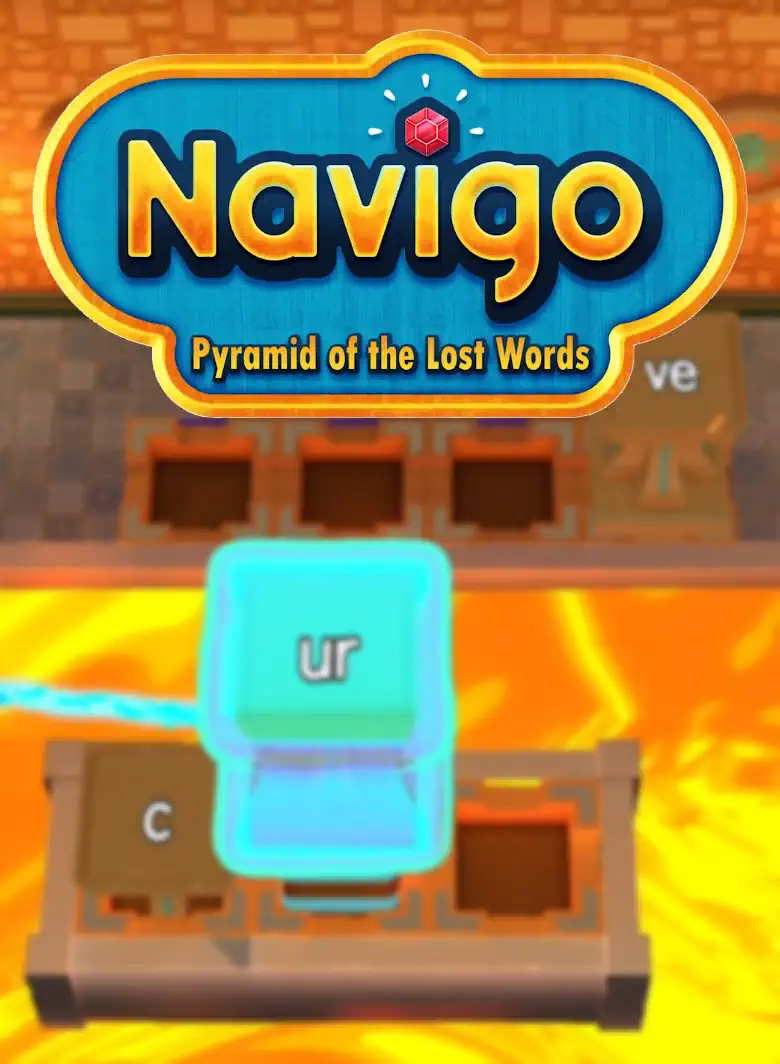


This page covers Unity's WebGL build target: compiling an existing or planned Unity project so it runs directly in the browser. That is a different stack from an HTML5 rebuild, which we build with PixiJS, rendering into a canvas element via WebGL/WebGPU rather than Unity, and use for lighter 2D games, Flash migrations and projects that don't need Unity's engine features. See our PixiJS page for that stack. We choose between the two around the game's content, target devices and deployment requirements, not by default.
Unity WebGL enables rich, engine-driven gaming experiences directly in the browser without plugins or app installs. For educational clients, this is particularly valuable - a browser build can reach learners without a separate app installation. School devices, browser versions and network policies still need to be assessed and tested.
Our team has shipped Unity WebGL and HTML5 titles for London Museum, EU Horizon 2020 research programmes, and educational publishers. We understand the unique constraints of browser-based deployment: memory limits, loading performance, and cross-browser compatibility.