Prepare your educational game brief
Work through stakeholders, curriculum input, discovery outputs, pilot testing and acceptance criteria, then adapt a printable worksheet with your team.
Use the commissioning checklist

Work through stakeholders, curriculum input, discovery outputs, pilot testing and acceptance criteria, then adapt a printable worksheet with your team.
Use the commissioning checklistRead how David, as a freelance contractor, made nine vocabulary mini-games for The Language Conservancy, used across 14 published language apps.
Read the Vocab Builder case studySee our full approach to curriculum-aligned design, accessibility, privacy and LMS integration.
View the servicePlayable Learning for Endangered Languages
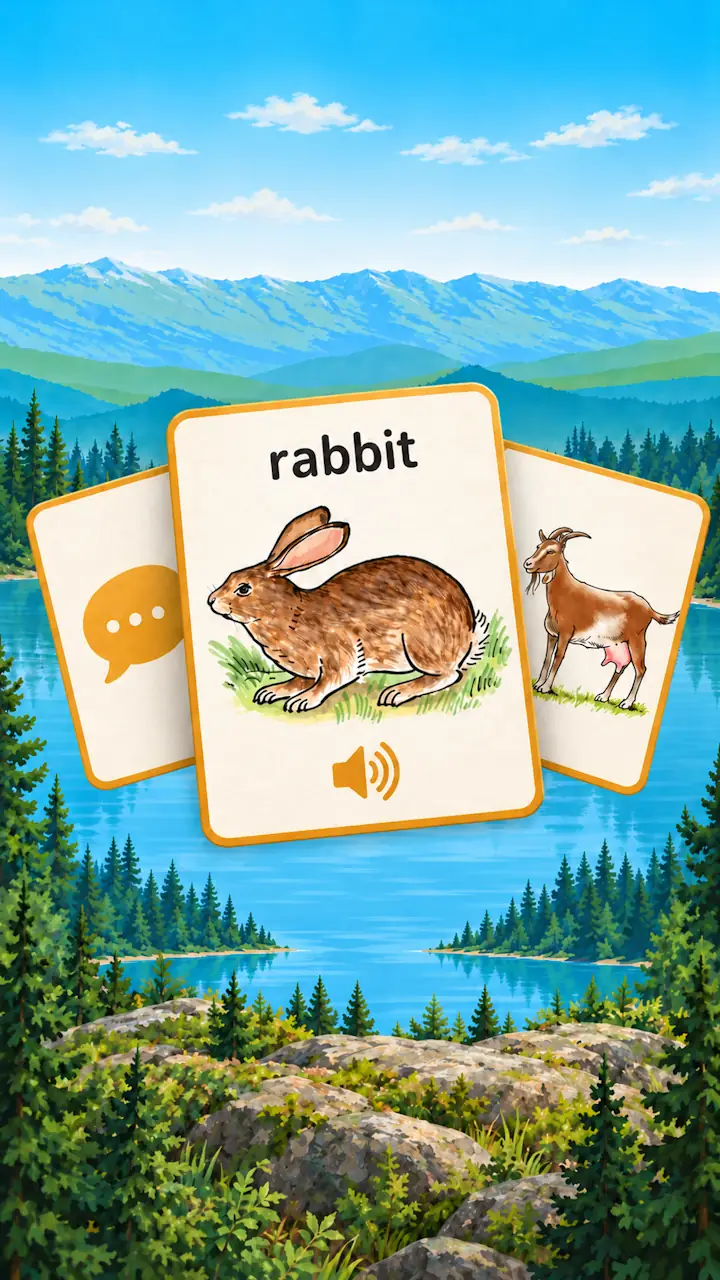
Nine vocabulary mini-games for endangered and Indigenous languages, built by David Edgecombe as a freelance contractor for The Language Conservancy.
Engineering an Award-Winning Language Learning Adventure
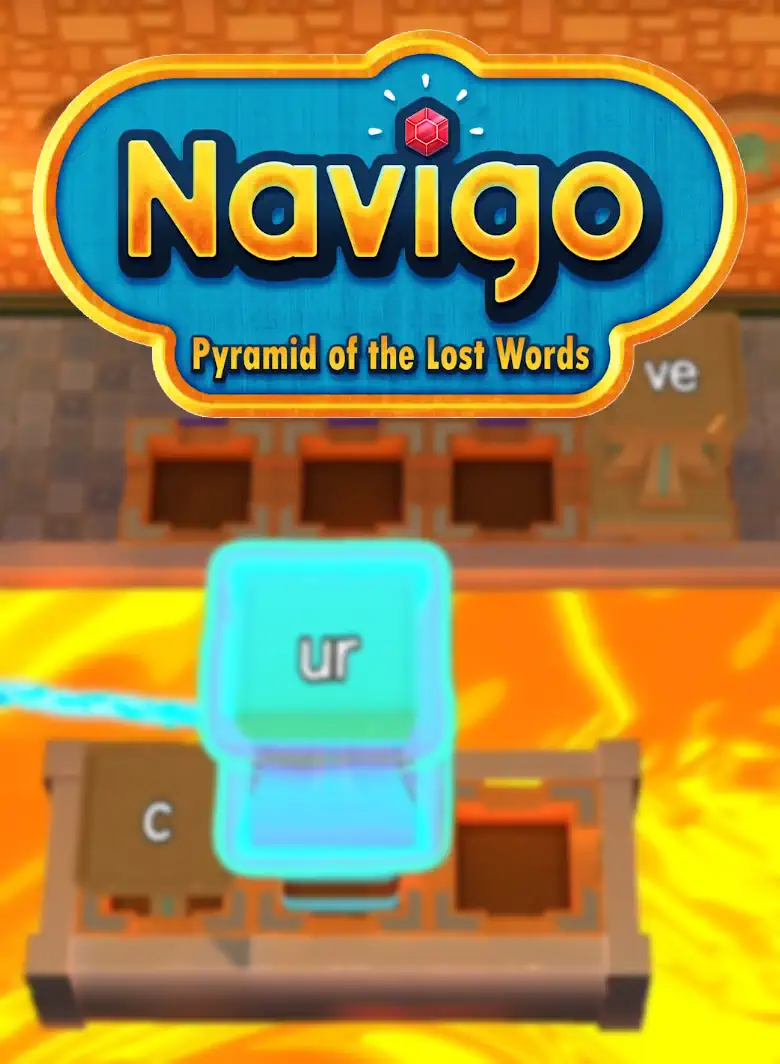
How Adam's team at a previous agency built Navigo, a Serious Games Society award winner with 15 mini-games across four languages for the EU iRead project.
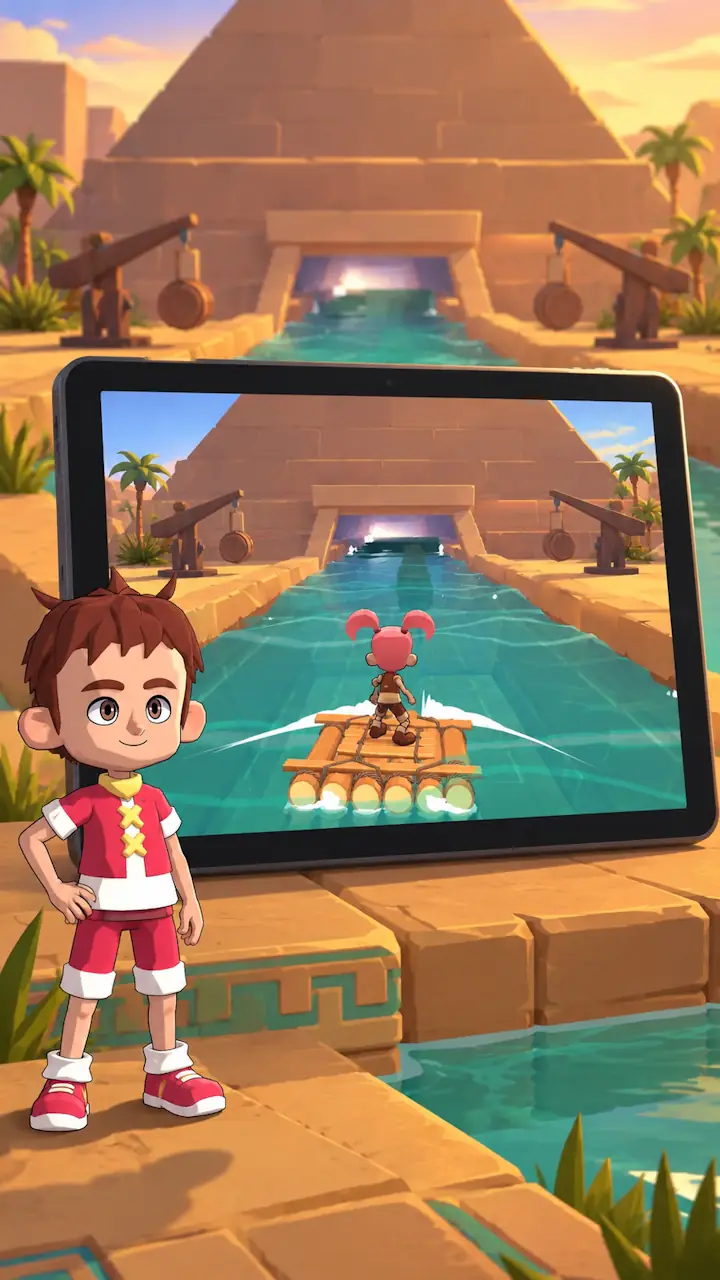
Work from our team’s previous roles at leading studios and agencies.
Research Consortium
We sit down with your pedagogical team to map learning objectives, target age groups, and assessment criteria. The output is a GDD aligned to your syllabus.
We build a playable prototype, typically in 6 to 8 weeks, and test it with a small learner group. Feedback from students and teachers shapes the core loop, the activity learners repeat throughout the game, before full production begins.
We develop in Unity or HTML5, testing against the supported device list and the agreed accessibility requirements, with WCAG 2.2 Level AA as the reference point. Privacy and data-handling reviews run throughout. Full production typically takes 3 to 6 months, depending on scope.
We handle app store submission, web hosting, or mobile device management (MDM) distribution. Where progress reporting is required, we integrate with the institution's agreed LMS or reporting interface after confirming its technical requirements.
We design and build educational games for publishers, universities and museums. Turn your learning objectives into a browser or mobile game. Discuss your project.
Explore serviceUpgrade older Unity projects or rebuild legacy games for modern platforms. UK engineers assess dependencies, preserve gameplay and plan a tested migration.
Explore serviceApp Store and Google Play launch support for Unity games. Build checks, store listings, test releases and help resolving submission review issues.
Explore serviceGame design services covering core mechanics, progression, game design documents and Unity prototypes. Turn your concept into a practical production plan.
Explore service“David is very patient and has great communication. He is an appropriately skilled freelance Unity developer who understood our project goals from the beginning and worked with us diligently throughout our slow-burn design process. I am pleased that we chose David to develop version 2.0 of our Vocab Builder. Thanks David!”
Educational app development
Logan
Lead Producer, The Language Conservancy
Project: Vocab Builder
If your project is for a museum, gallery, or heritage site, you may also want to explore our museums and cultural heritage page.
If your project is corporate training or L&D rather than academic education, see our corporate training page.
Tell us what you want people to learn or explore, who the audience is and what content, research or funding you already have in place.
Describe your learnersTell us about your learners, curriculum needs, devices and approval process. We'll discuss the practical requirements for your institution.
Location
London, United Kingdom
Response Time
We typically respond within 1 to 2 business days.