Your previous studio went quiet
Missed milestones, went dark or shut down, and you are holding a codebase you cannot fully account for.
Book a diagnostic
Developed by Ocean View Games as the client's core technical partner.
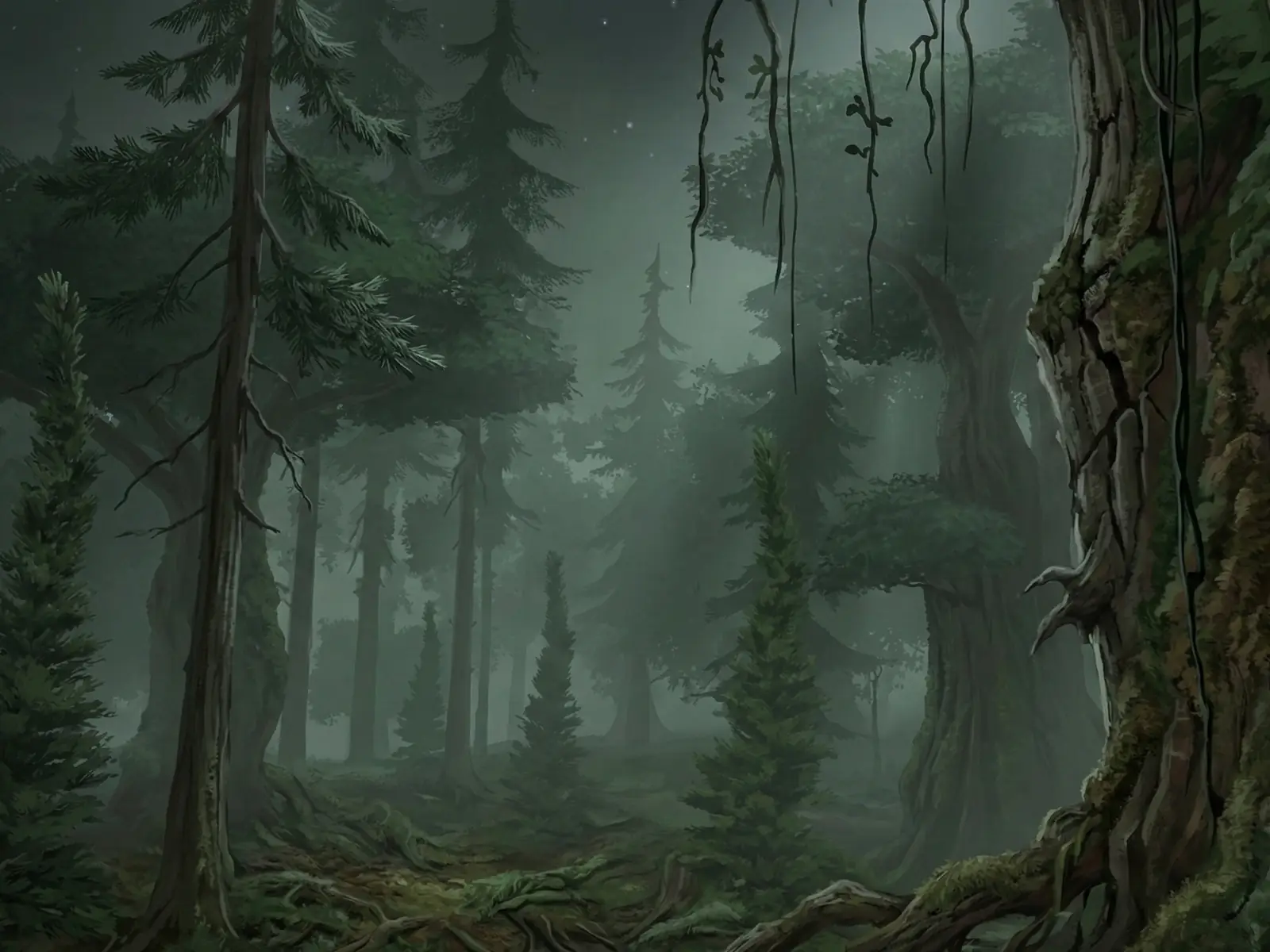
Our involvement in Domi, a Unity massively multiplayer online role-playing game (MMORPG), began with a technical code review during the earliest stages of development. David was then hired as lead developer, with the team going on to build the gameplay systems, UI, environment art and tooling.
That progression from assessment to technical ownership informs our recovery work: understand the existing systems, agree the next milestone and make changes in a controlled sequence.
An unfinished brief is fine. The first conversation helps establish scope.
If any of these describes your situation, the diagnostic is the right first step. We do not need a polished brief or a tidy repo to start.
Missed milestones, went dark or shut down, and you are holding a codebase you cannot fully account for.
Book a diagnosticThe original lead left, the build works on one machine and nowhere else, or dependencies have gone missing.
Start a project briefThere is a publisher pitch or funding milestone coming and the codebase is not in a state to demo.
Explore co-developmentThree phases. The first is a fixed price and a fixed deliverable. The second and third only happen if the diagnostic recommends them and you agree to proceed.
David personally audits the codebase, runs profiling, identifies the critical risks and produces a written diagnostic with three options, finish, refactor or rebuild, and honest cost estimates for each. The diagnostic is scoped separately, with no obligation to commission the recovery.
Work towards a build that the team can develop reliably: the build fixed across machines, lost dependencies restored, critical performance regressions addressed and the systems documented.
A standard co-development engagement scoped to whatever is left to ship: agreed milestones, weekly demos, paid in arrears.
Assessment, modernisation and continued development delivered by Ocean View Games.
The Challenge: Own architecture and delivery on a server-authoritative Unity MMORPG, where the server decides every outcome, with a core team of four.
The Result: A code review followed by lead development across gameplay systems, UI, environment art and engine upgrades.
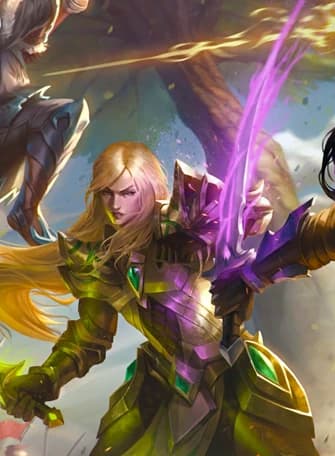
The Challenge: Modernise software development kits (SDKs) and add an Android build to Foil Hat Games' live iOS title without breaking their release cadence.
The Result: Updated libraries, new level tooling and an Android release alongside the existing iOS build.
A recovery plan needs to account for the code, the remaining work and the people who know the project.
Identify the Unity version, dependencies, missing assets and build steps so the project can run on the agreed development machines.
Assess working systems and incomplete features. We explain where a focused fix, refactor or rebuild is justified, with the evidence behind the recommendation.
Separate blockers from improvements that can wait. Agree what a usable milestone contains and which features need to be deferred or reconsidered.
Where possible, review the project with the people who built it. Capture design decisions, deployment steps and known issues before that knowledge is lost.
You work directly with David and Adam on the engineering decisions. We agree responsibilities and review points with your team before implementation.
Agree confidentiality, repository access and the materials needed for the diagnostic before sharing the project.
Start with a conversation about what has gone wrong, what state the project is in and what still needs to ship.
The diagnostic week is the real first step. It is fixed price, delivered by the engineer who would lead the recovery, and it ends with a written recommendation you can act on with or without us.
From stabilisation onward it looks like any co-development engagement: agreed milestones, weekly demos, paid in arrears, senior engineers only.
You speak to David and Adam directly throughout, with technical decisions and progress reviewed together.
Meet the teamTools to give the diagnostic a head start.
If the project is on Unity 2019, 2020 or 2021, this maps the breaking changes on the way to Unity 6.
Capture what you know about the project, the previous team and what needs to ship.
Ballpark scoping before the diagnostic.
If a platform move is part of what needs to happen.
Tell us what has gone wrong, what state the project is in and what still needs to be delivered. We will help determine a sensible next step.
Discuss your projectDescribe the current build, the problems blocking progress and any urgent milestones. We'll discuss what an initial diagnostic should cover.
Location
London, United Kingdom
Response Time
We typically respond within 1 to 2 business days.
Prefer to talk?
Pick a time that suits you and speak to David directly.