PC or console to mobile
Touch UX redesigned around the way people hold a phone, with thermal and memory budgets managed for sustained sessions and testing across the Android device spread.
See the RuneScape Mobile port
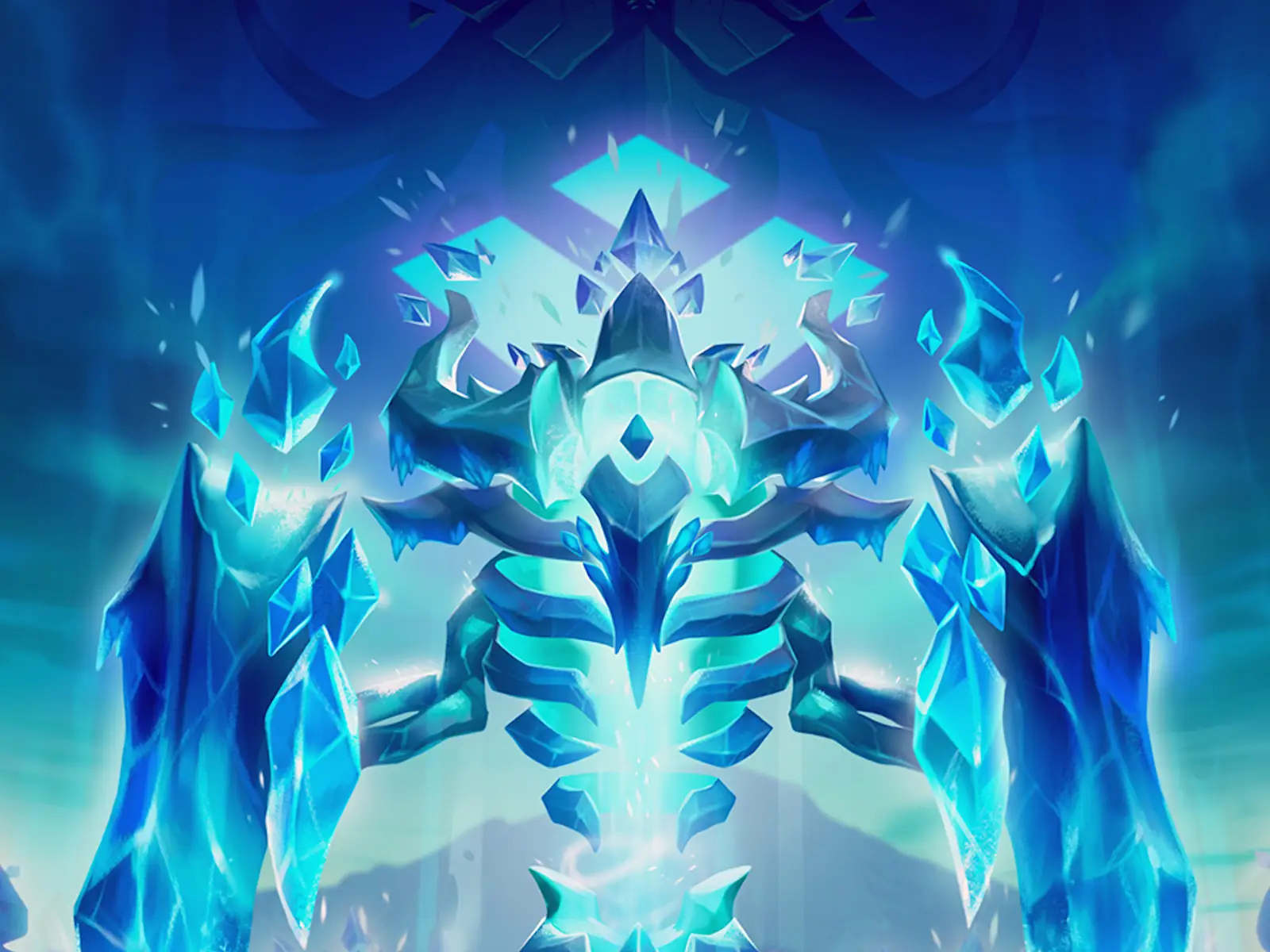
Delivered during David's Technical Developer role at Jagex, 2017 to 2019.
Jagex brought an MMORPG with almost two decades of dense keyboard-and-mouse interface to iOS and Android. David worked on the mobile team as a Technical Developer, building the mobile HUD, converting more than 40 legacy interfaces and creating a full-screen dialogue system for touch.
That experience informs how we assess controls, interfaces and performance for a new port.
An unfinished brief is fine. The first conversation helps establish scope.
Porting is a specialist discipline, not a downscale-and-ship exercise. Tell us where the game runs now and where you want to take it.
Touch UX redesigned around the way people hold a phone, with thermal and memory budgets managed for sustained sessions and testing across the Android device spread.
See the RuneScape Mobile portResolution and aspect-ratio scaling, keyboard, mouse and controller input, Steam Deck compatibility testing and Steamworks integration, with session design reworked for longer desktop play.
Explore Unity developmentGames in unsupported engines rebuilt in Unity, treating the original as the specification. This overlaps with our legacy modernisation work.
Explore legacy modernisationThree stages. The first is fixed price with a standalone deliverable, and nothing after it happens unless the audit supports it and you agree to proceed.
A codebase review, target-platform risk assessment and a written report with honest cost and timeline ranges and a clear verdict: proceed, adapt the scope or defer the port. The report is yours to keep either way.
A proposal setting out milestones, timeline, scope and technical risks. The engineers who assessed the project stay involved in the delivery.
Milestone billing with a playable build every week, so you see the port running on real hardware throughout rather than at the end.
Platform moves and engine rebuilds delivered by Ocean View Games.
The Challenge: Bring Foil Hat Games' live iOS title to Android without disrupting their release schedule.
The Result: Modernised SDKs, updated level tooling and an Android release alongside the existing iOS build.

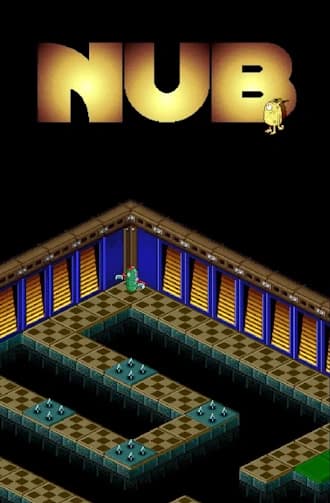
The Challenge: Recreate an isometric puzzle game from a legacy Java app, using the original as the specification.
The Result: A Unity remake with playable builds on PC, iOS and Android and a touch control redesign for mobile.

Input models, memory budgets, thermal limits and session-length expectations all change between platforms. The work is agreed against your game before it starts.
A desktop interface dropped onto a touchscreen fails. We redesign the interaction model for the target device rather than overlaying buttons on the old one.
Memory, draw calls and thermal headroom are profiled on real target hardware, not in the editor, and the budget is set before the port begins.
A game built around two-minute mobile sessions needs more than a window resize to feel right on PC, and the reverse is also true. Pacing and save points are reworked.
Store SDKs, achievements, cloud saves, purchases and controller certification are scoped against the target platform's requirements.
We agree a representative device range early and test across it, rather than validating on a single flagship and hoping.
Submission requirements, ratings and build formats for each target store are planned alongside development, not discovered at the end.
Start with a free conversation about where the game runs today, where you want to take it and what you know about the existing codebase.
Most engagements begin with a fixed-scope feasibility audit. It produces an honest cost and timeline range and a clear verdict, and the report is yours to keep whether or not we do the port.
David and Adam stay close to the engineering and technical decisions. We can work alongside your own developers and creative team, bringing in trusted specialists for art, audio or QA where needed.
Production runs in agreed milestones with weekly playable builds, followed by device testing, store submission and any agreed ongoing support.
Meet the teamFree tools and guides to size the work.
How complex your port is and what needs reworking for the target platform.
A cost range based on source platform, target platform and complexity.
The engineering behind a PC-to-mobile port, start to finish.
What makes a codebase cheap or expensive to move.
Tell us where the game runs today, where you want to take it and what you know about the existing codebase.
Discuss your portShare your current platform, target hardware and the state of your codebase. We'll discuss feasibility, platform requirements and the next step.
Location
London, United Kingdom
Response Time
We typically respond within 1 to 2 business days.
Prefer to talk?
Pick a time that suits you and speak to David directly.